
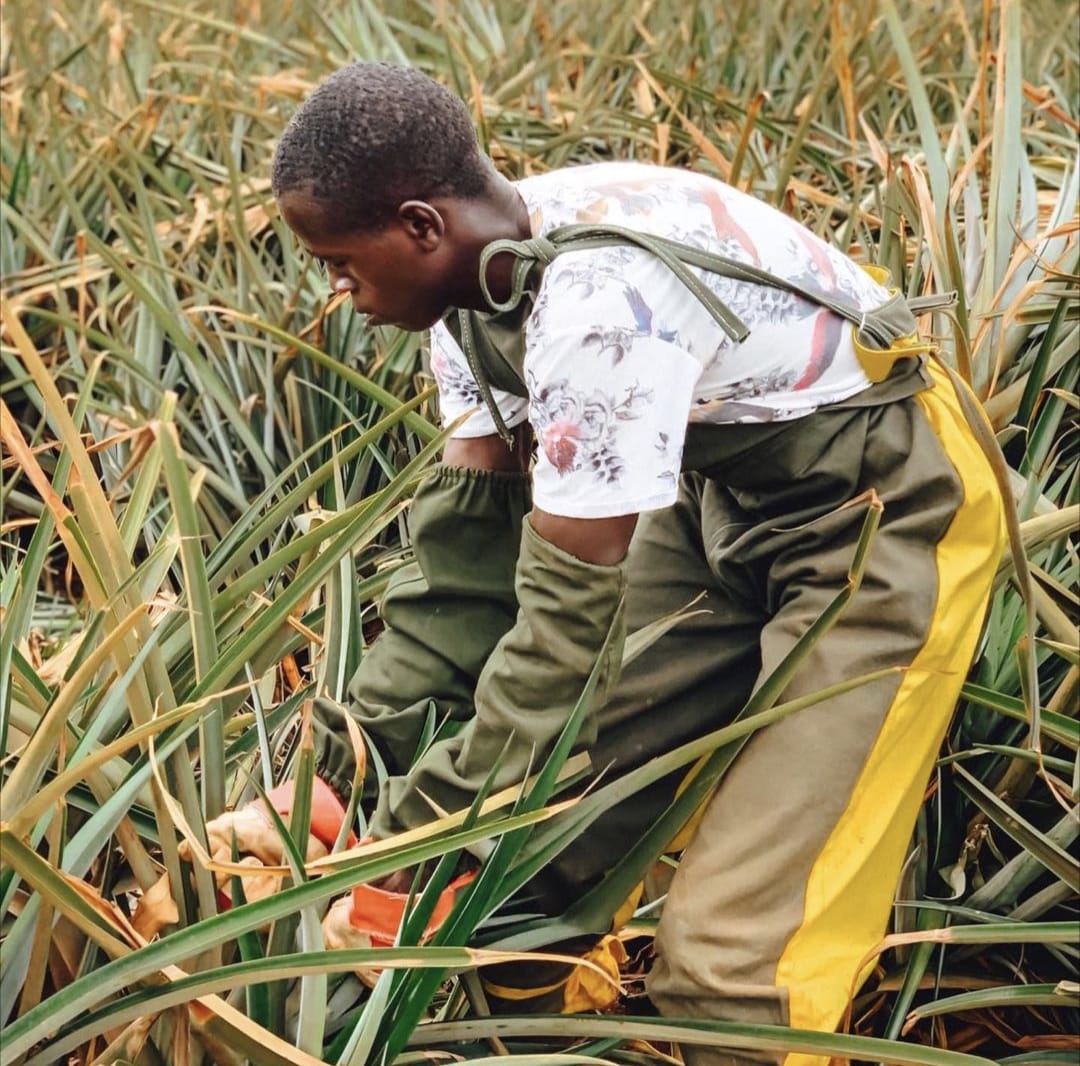
Harvesting
Operational systems for collecting and transporting pineapple leaves from active plantation areas.
NATURAL FIBRE · RESEARCH & DEVELOPMENT
For more than a decade, The Chequered Flag has combined practical engineering, fabrication, and industrial problem-solving to develop technologies that transform agricultural waste into commercially valuable natural fibres — culminating in one of East Africa's most advanced pineapple fibre extraction operations.
Jobs created at peak operation
Tonnes of pineapple leaves processed
Tonnes of export-grade fibre produced
International export markets
Grant-backed development aid raised
While The Chequered Flag is widely known in Kenya for automotive engineering and fabrication, the company has also developed significant expertise in agricultural processing machinery and industrial systems development.
The journey began through research and development within the sisal industry, focusing on the challenges of extracting high-quality natural fibres efficiently and safely at industrial scale. Existing technologies across many natural fibre sectors were characterised by low throughput, dangerous operation, inconsistent quality, and extreme labour intensity.
As global interest in sustainable fibres and circular bioeconomy solutions grew, The Chequered Flag recognised the untapped potential in agricultural waste streams — particularly pineapple leaves, which are normally left to rot or burned after harvest.
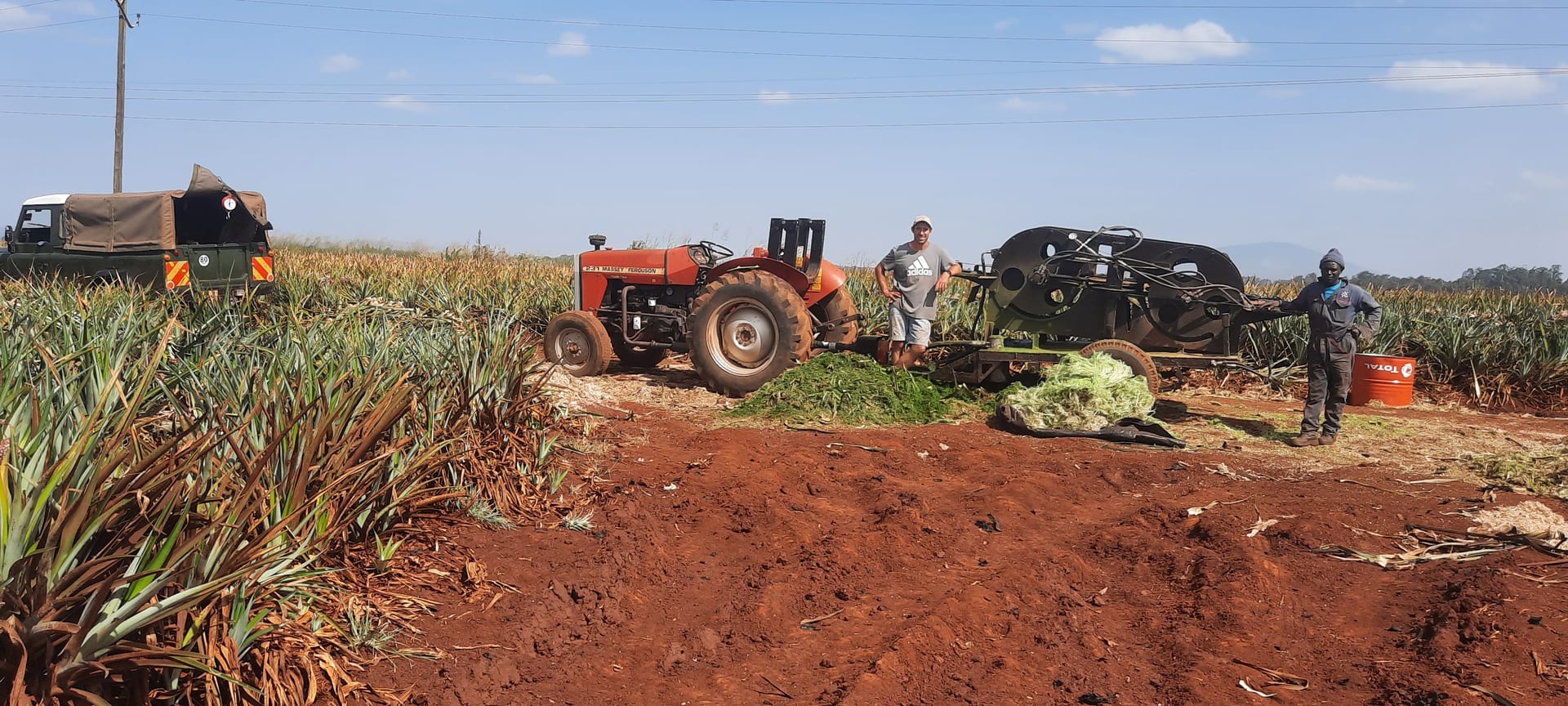
Through extensive prototyping and iterative development, The Chequered Flag designed and built an automatic conveyor-fed decortication system — transforming pineapple fibre extraction from a cottage-industry process into industrial-scale manufacturing.
Key innovations
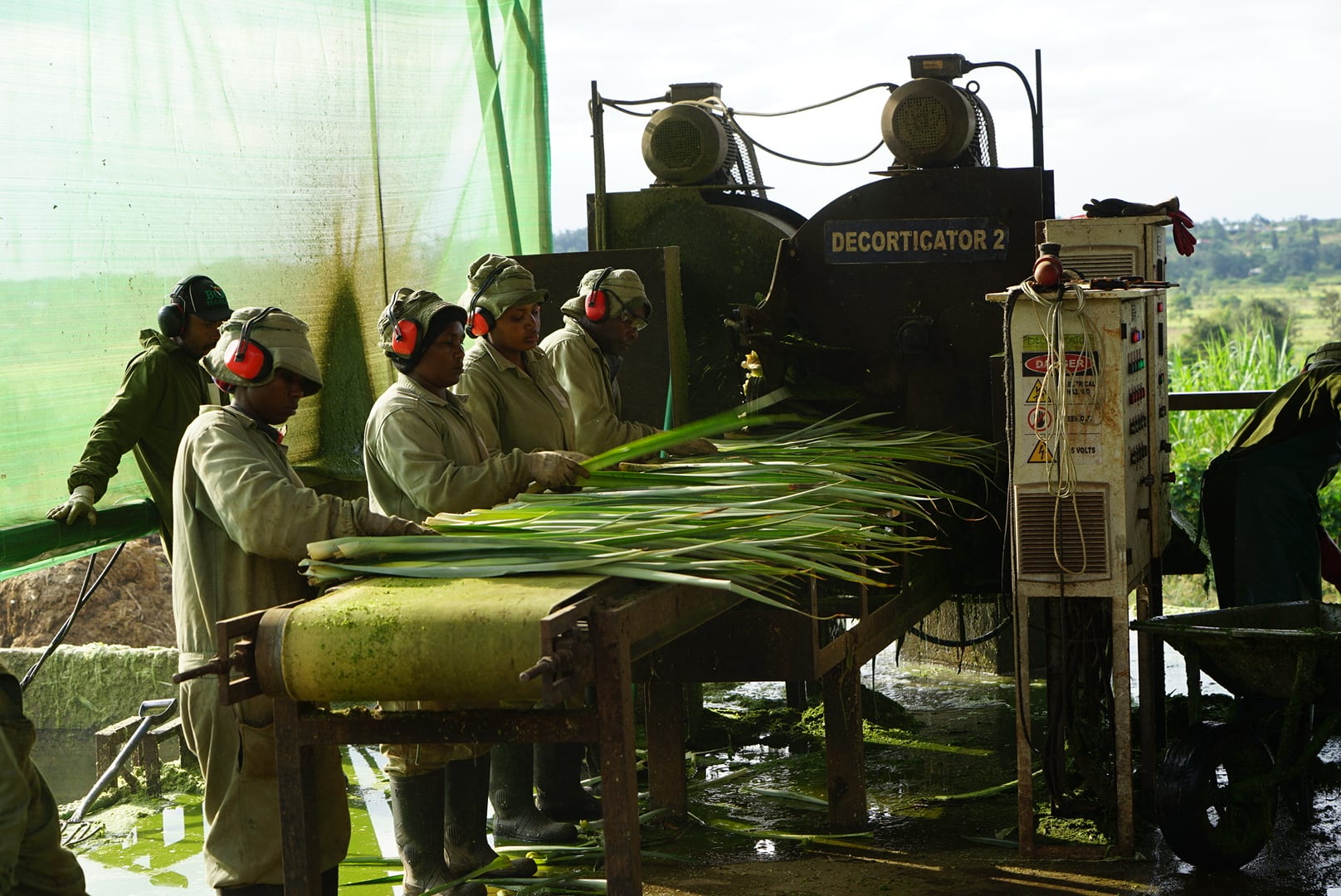
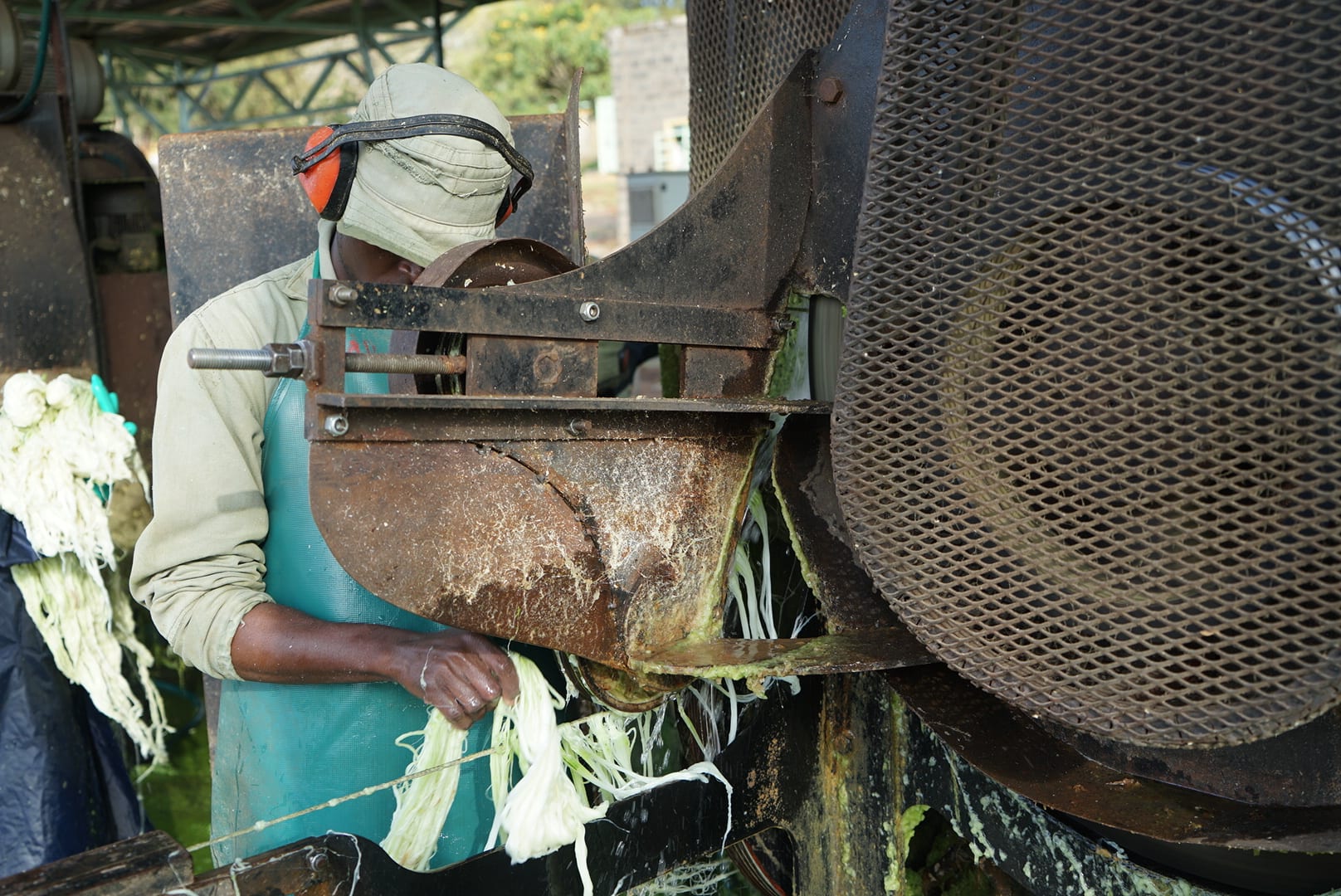
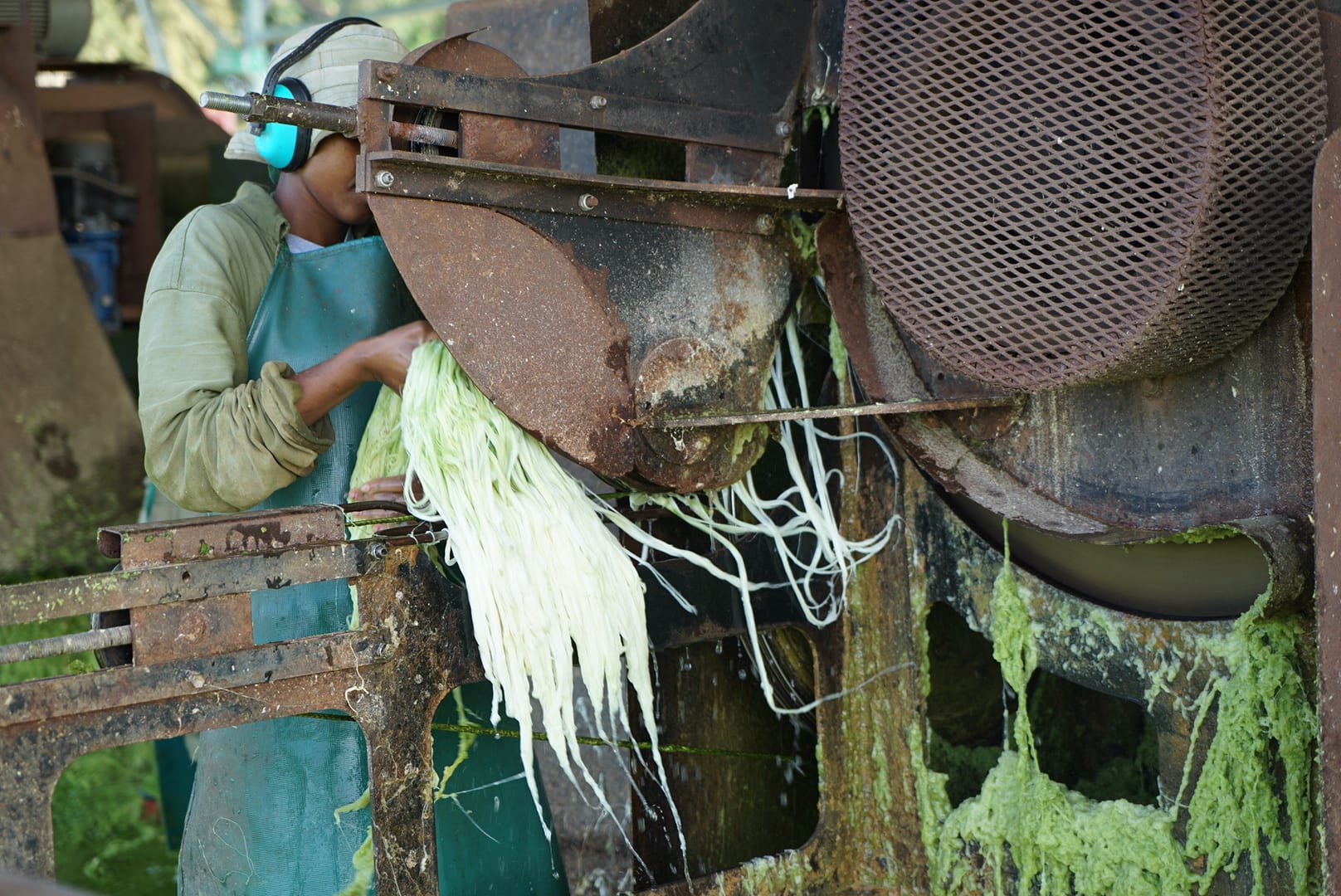
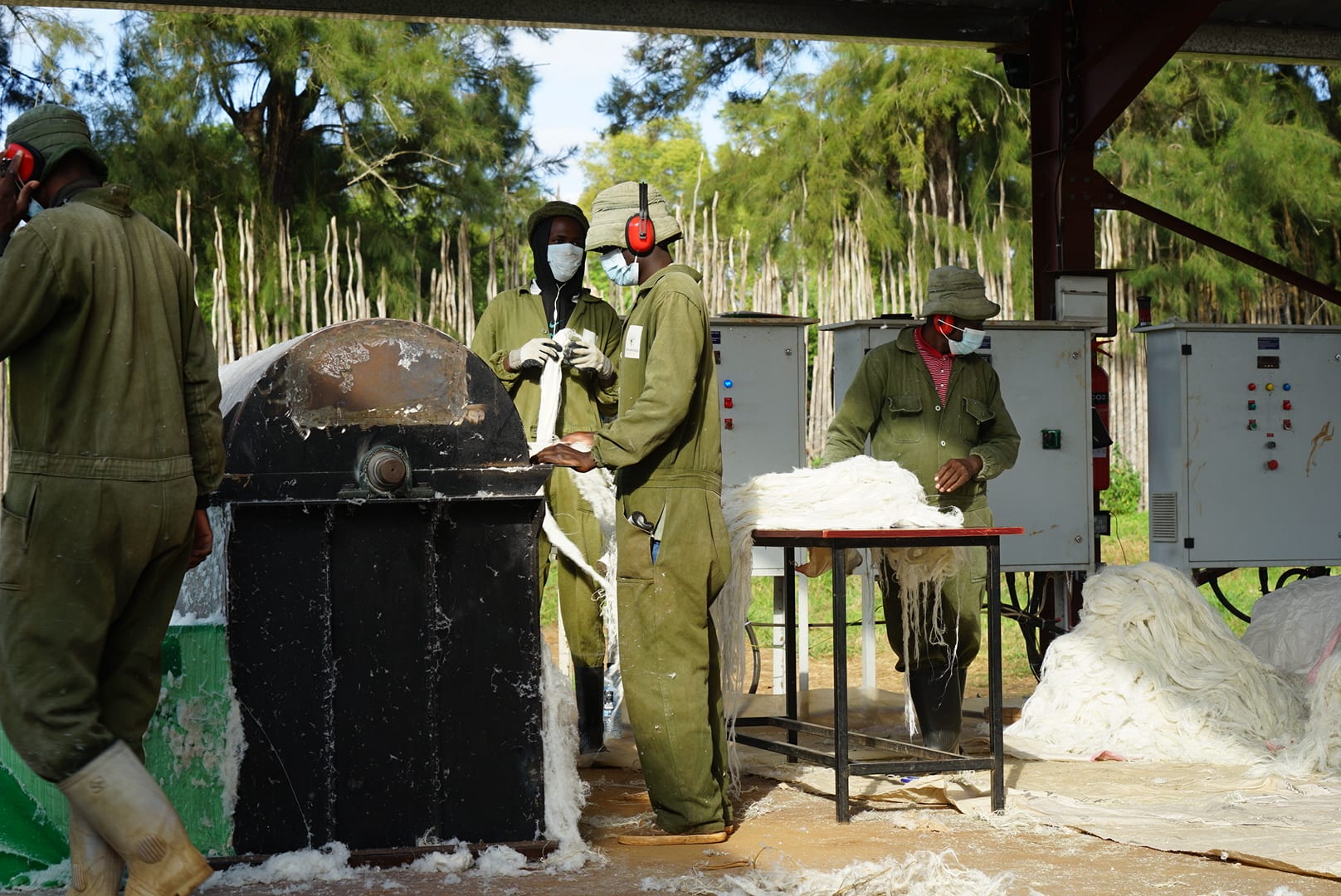
Field and facility footage from pineapple leaf decortication and fibre processing operations in Kenya.
The success of early machinery development led directly to the formation of Mananasi Fibre Ltd — established to address the enormous post-harvest waste challenge of commercial pineapple production.
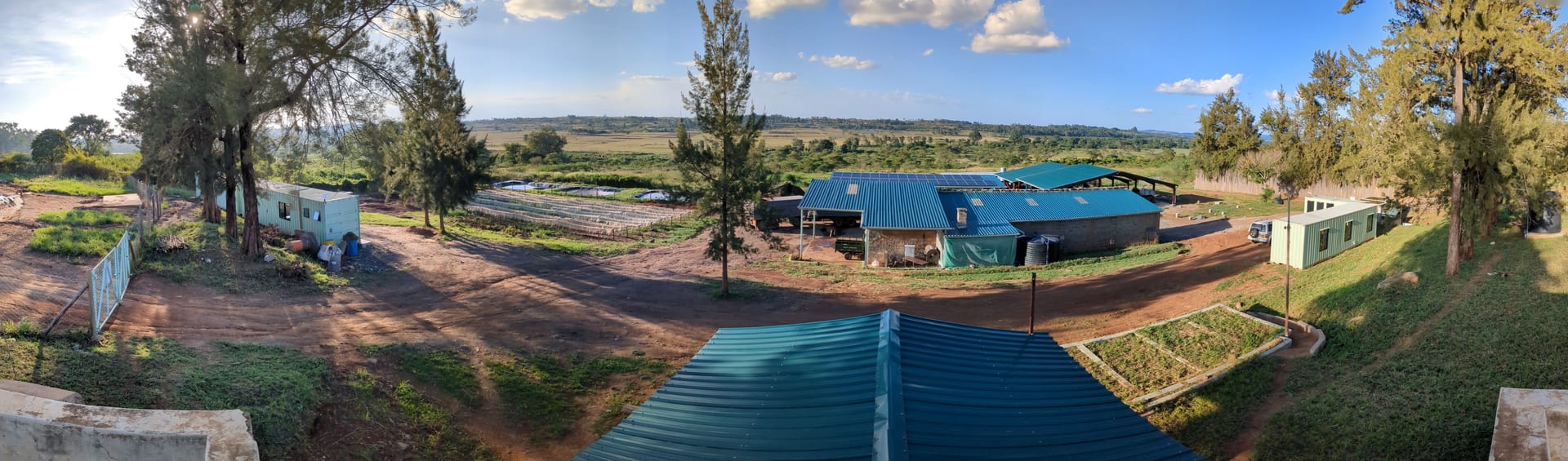
Working in partnership with Del Monte Kenya, Mananasi Fibre established a pilot industrial fibre extraction operation on Del Monte's approximately 4,000-hectare pineapple plantation in Thika, Kenya. At estates of this scale, burning leaf biomass can represent tens of thousands of tonnes annually — a disposal problem that became the basis for export-oriented manufacturing.
Through the SMEP programme, The Chequered Flag and Mananasi Fibre developed a fully operational facility — the complete chain required to transform agricultural waste into export-grade natural fibre using locally developed engineering capability.
PROCESS OVERVIEW
After fruit harvest, pineapple leaves are collected and decorticated. The extracted fibre is refined for textile markets; the pulp is ensiled as a stable livestock feed — replacing leaf burning with circular, export-oriented manufacturing.
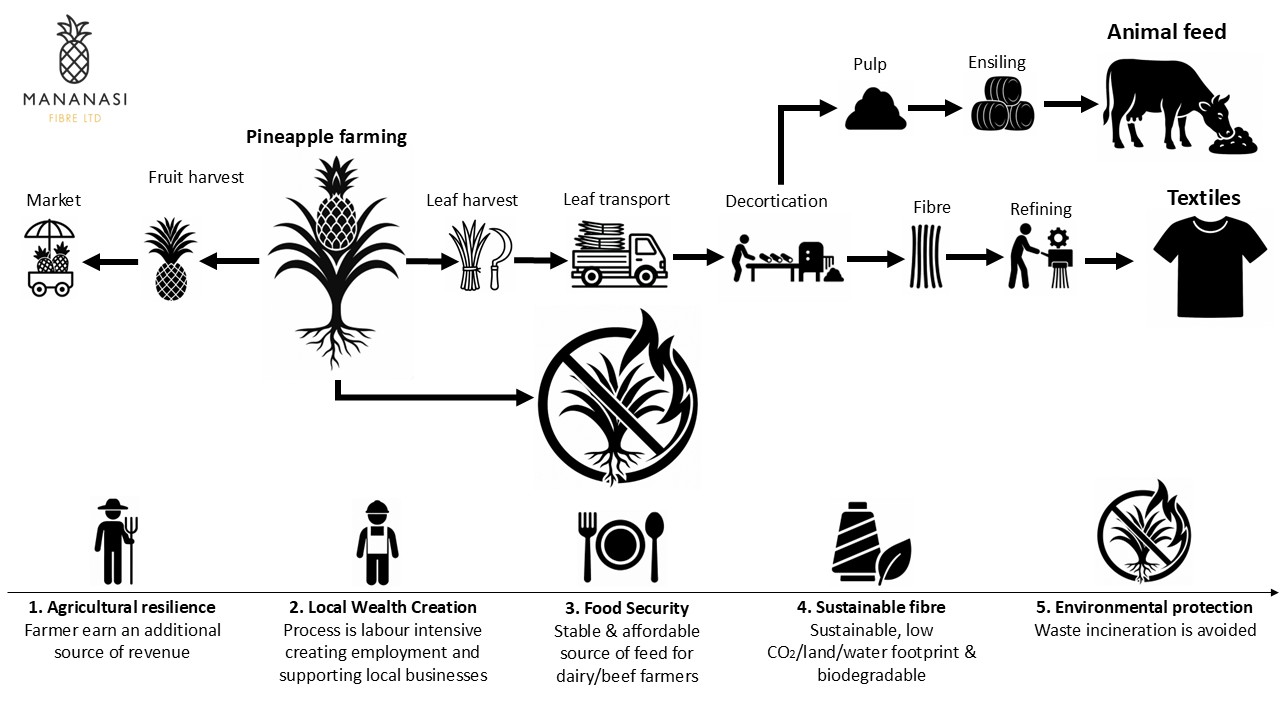
Operational systems for collecting and transporting pineapple leaves from active plantation areas.
Industrial-scale automatic machinery developed by The Chequered Flag for fibre extraction from leaf biomass.
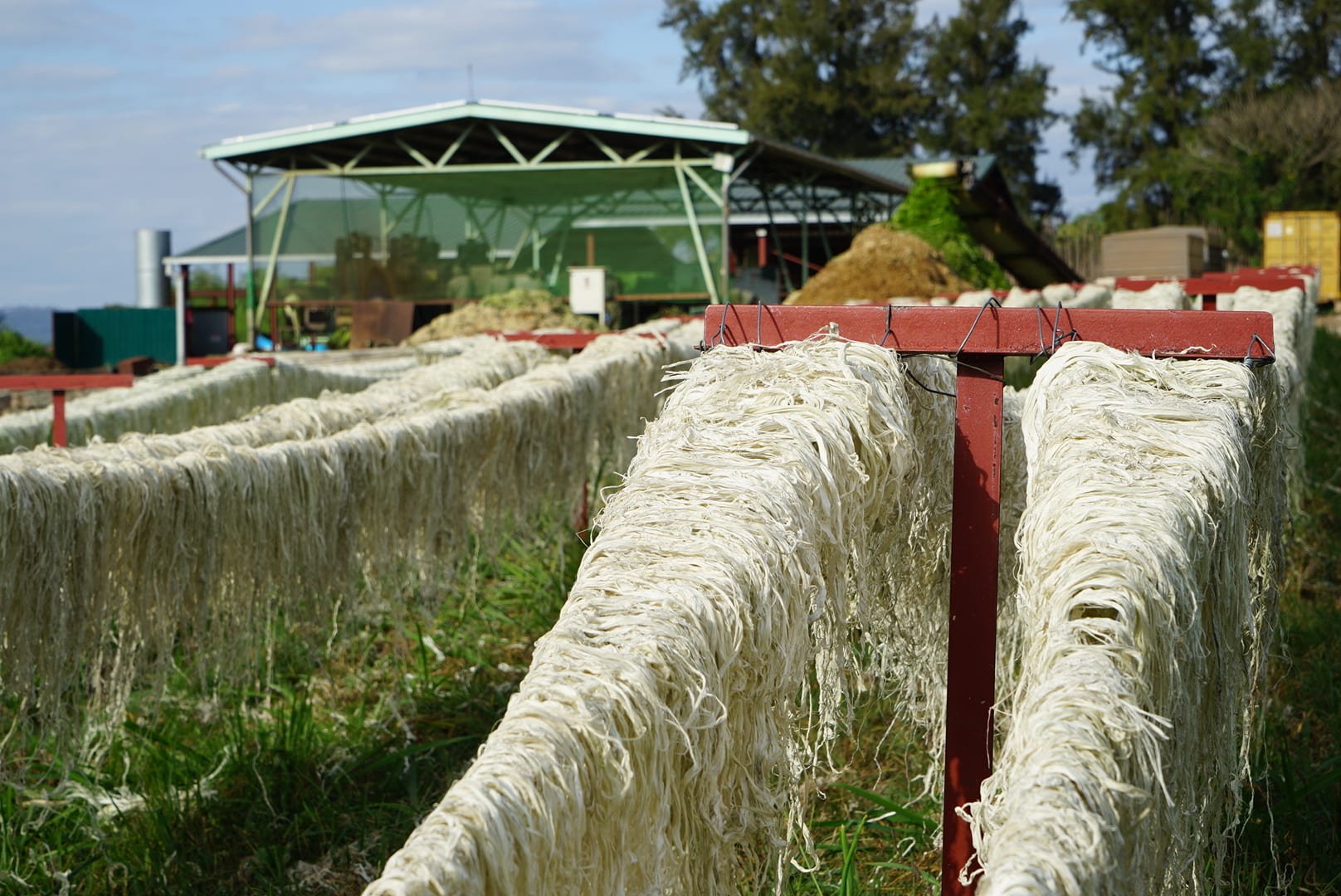
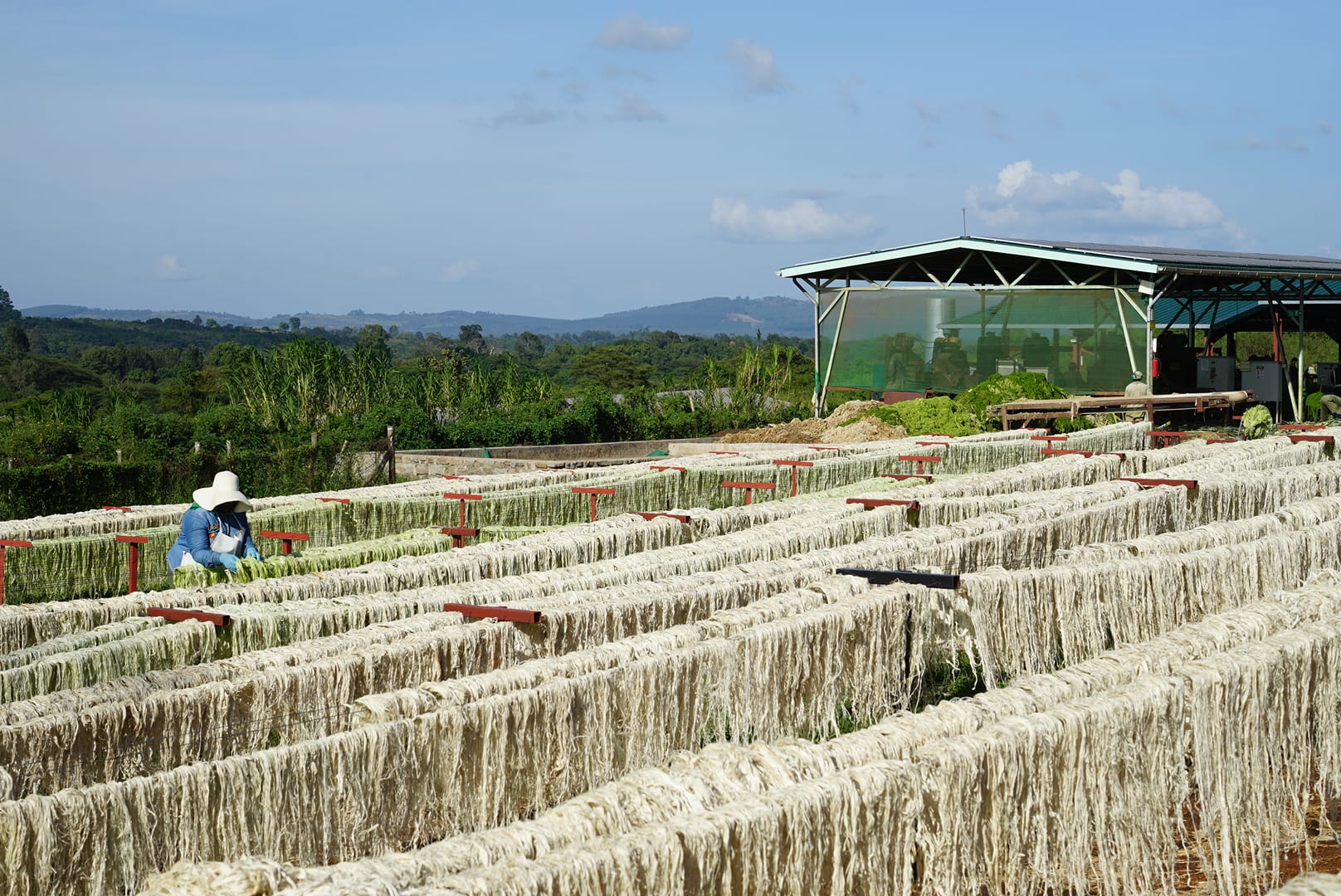
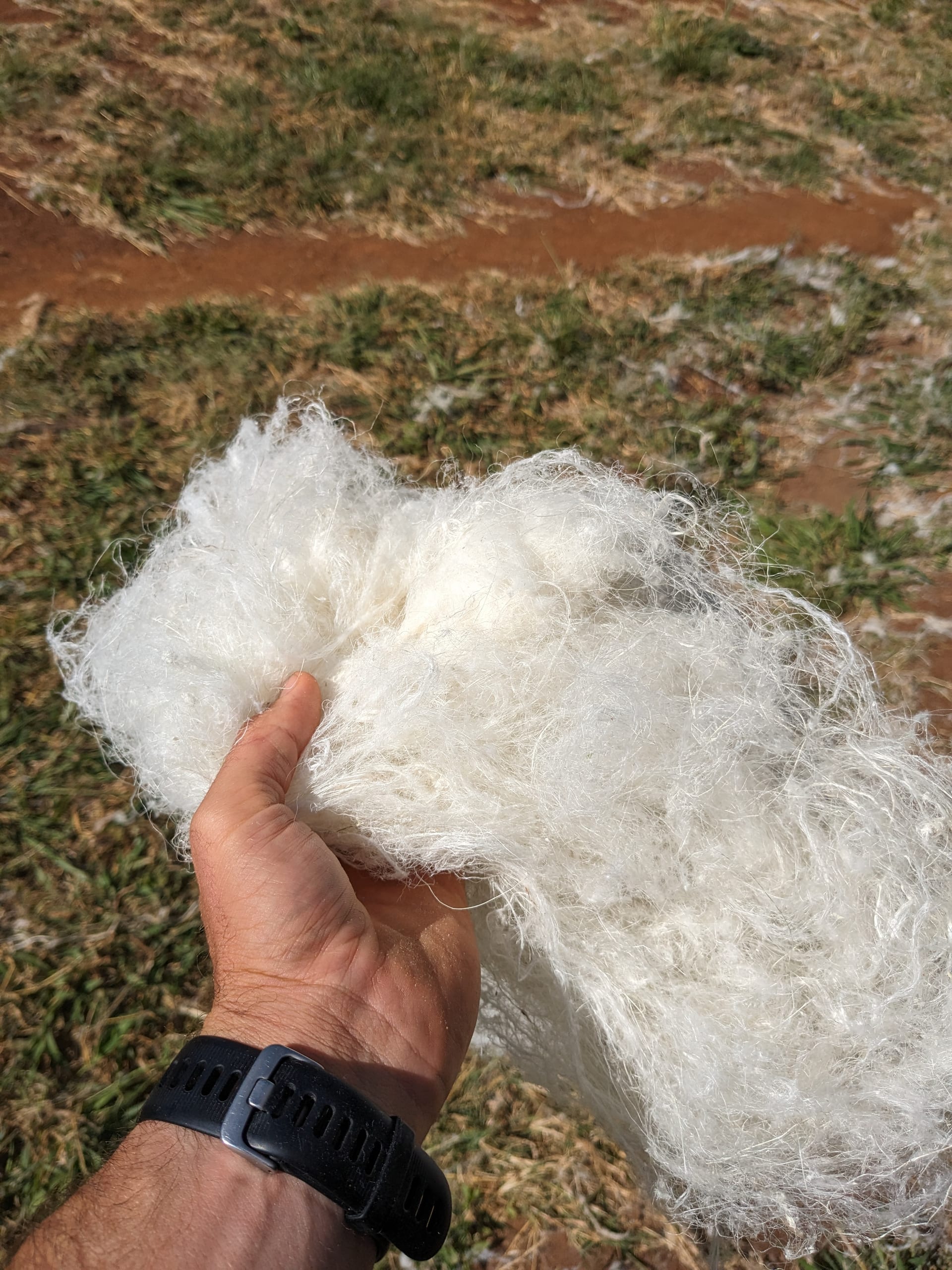
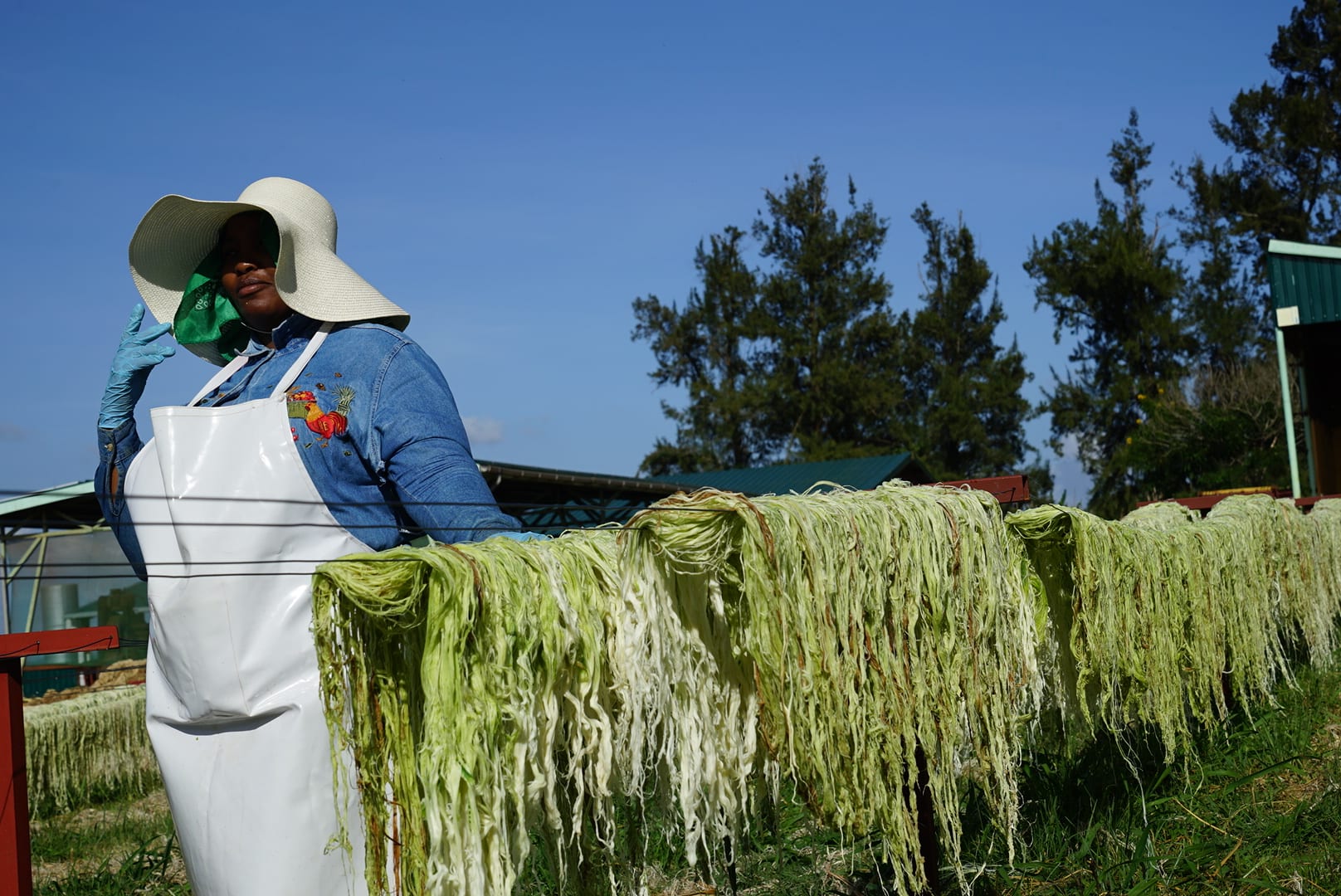
Large-scale natural drying infrastructure for moisture reduction and fibre stabilisation before refinement.
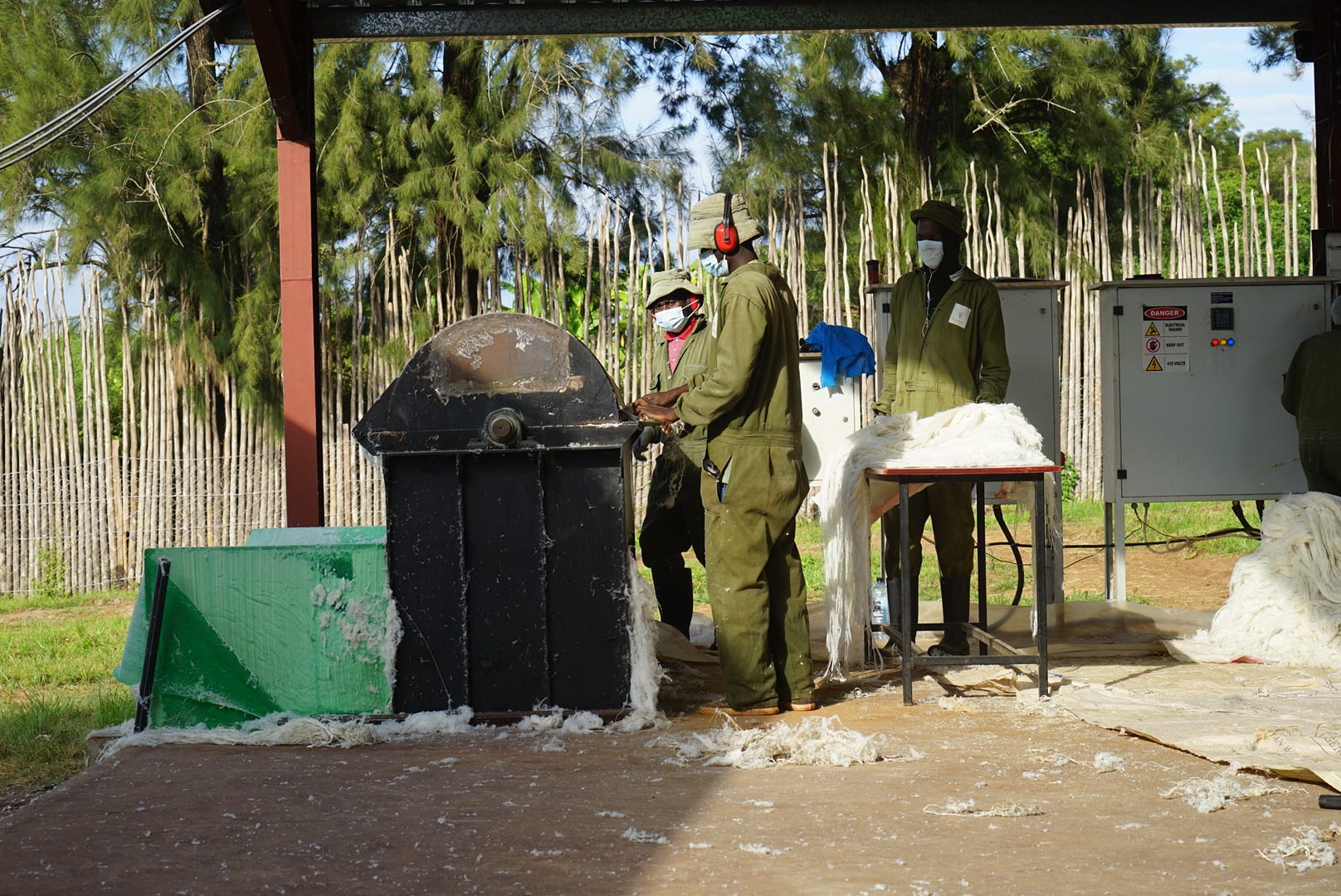
Mechanical brushing to improve fibre cleanliness, consistency, and appearance for textile markets.
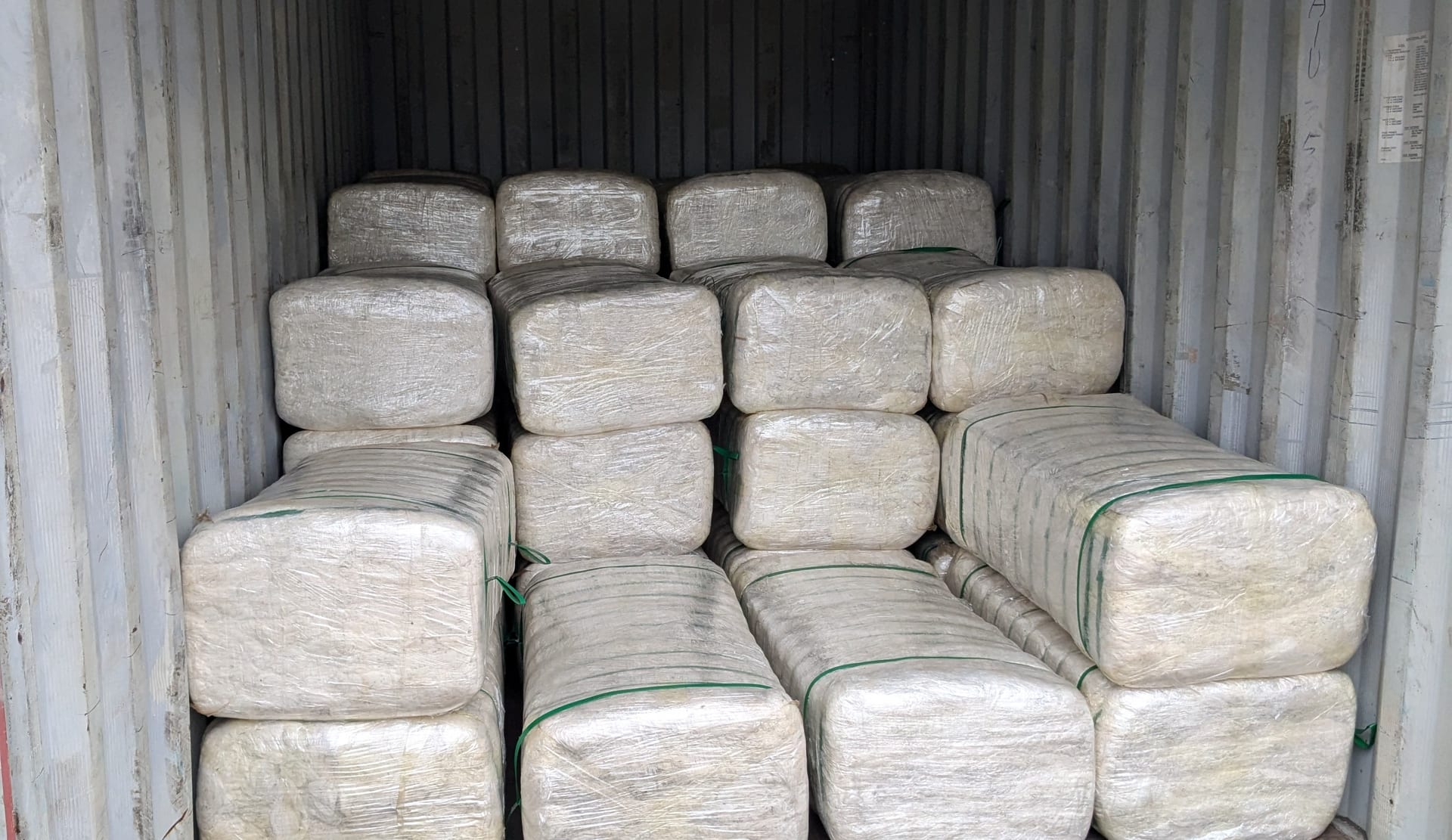
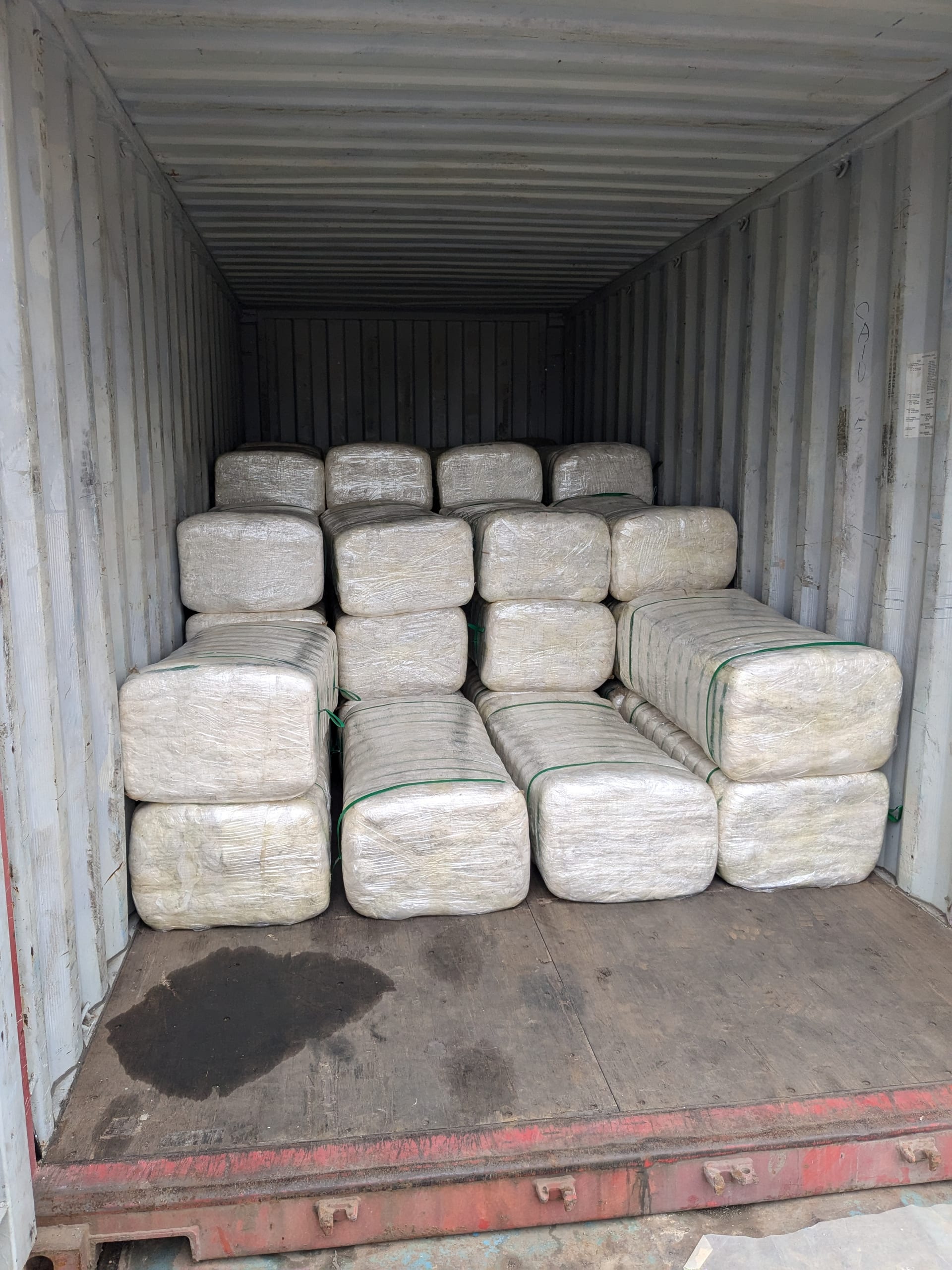
Compression and packaging systems for international logistics and export-grade natural fibre markets.
The successful demonstration of technology and business model ultimately led to the acquisition of Mananasi Fibre by Del Monte Kenya — validating both the technical capability of the extraction technology and the commercial viability of industrial natural fibre production from agricultural waste.
Agricultural waste previously treated as a disposal problem became the foundation for a scalable manufacturing and export industry — with fibre consignments shipped internationally and supplementary product streams including compost, silage, and rope developed through the pilot.
 Read about Del Monte's acquisition of Mananasi FibreCapital FM · May 2025
EXPORT MARKETS REACHED
The project demonstrated that agricultural waste could become the basis for scalable manufacturing and export — while creating rural employment, developing local engineering expertise, and raising awareness of natural fibre opportunities across East Africa.
More than 90 stable jobs created, with machinery designed and fabricated by young local artisans employed by the project.
Intercepting leaf biomass before burning reduces pollutants, carbon emissions, and soil damage — replacing disposal with valorisation.
Operational industrial fibre extraction capability established in Kenya, with export-grade fibre production demonstrated at scale.
Beyond textile fibre: compost, silage, rope, and biochar trials extended the circular value of pineapple processing waste.
Selected imagery from engineering development, plantation operations, and export preparation at the Mananasi Fibre facility in Thika.
The technology developed through the Mananasi Fibre project has applications far beyond pineapple leaves. Many agricultural and invasive biomass streams contain valuable fibres but remain underutilised across Africa — not for lack of raw material, but because scalable extraction and processing equipment has rarely been available locally.
PRIORITY FEEDSTOCK
Kenya and the wider East African region are among the world's most important banana-producing areas. Every harvest generates enormous volumes of pseudostem — the thick, fibrous stalk left in the field after fruit is cut. Today, most of this material is left to rot or cleared with little economic return, despite containing strong, versatile natural fibre suitable for textiles, rope, composites, and industrial applications.
The opportunity is significant at both national and continental scale. Across Africa, banana cultivation supports millions of smallholders and commercial estates alike, yet fibre valorisation remains largely untapped. Where processing does exist, it is often manual, low-capacity, and difficult to scale — the same constraints The Chequered Flag addressed in pineapple through automatic, conveyor-fed decortication and integrated downstream handling.
During the Mananasi Fibre pilot, pineapple plant stem and banana stem decortication were successfully tested using the same core technology — and industrial banana stem decortication machines are now being developed on the back of that work. The Chequered Flag intends to build on this foundation by designing and fabricating dedicated fibre extraction and processing equipment for banana pseudostem: from field collection and feed systems through decortication, drying, brushing, and preparation for textile or industrial markets.
Our goal is to leverage more than a decade of engineering, fabrication, and pilot-scale operations experience to help realise the full potential of banana fibre in Kenya and across Africa — creating rural employment, reducing waste, and establishing locally built processing capability that can compete in regional and export markets. We are actively seeking partners and investment to accelerate this next phase of development.
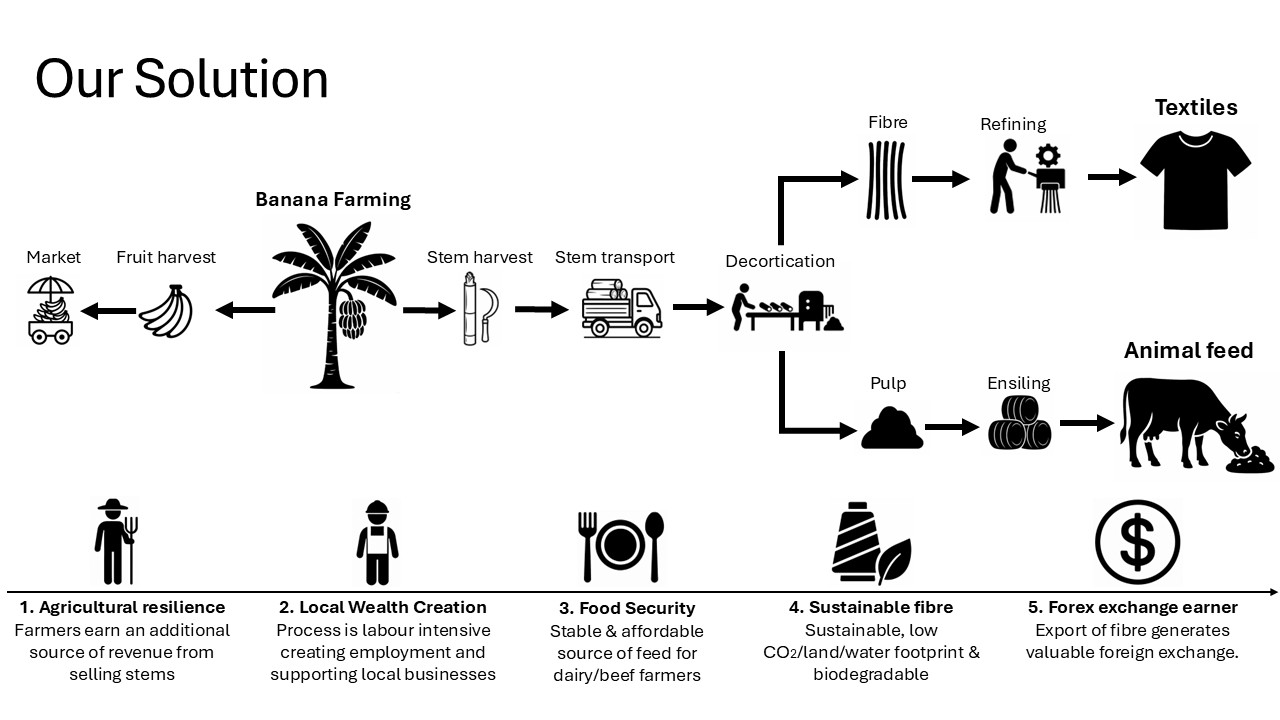
OUR SOLUTION
Banana pseudostem follows the same valorisation model proven with pineapple leaves: after fruit goes to market, stems are harvested, decorticated, and split into export-grade fibre for textiles and ensiled pulp for livestock feed — generating farmer income, local employment, food security, and foreign exchange from fibre exports.
Beyond banana, the same technology platform is being evaluated for other underutilised biomass streams — with a long-term vision of decentralised fibre processing systems converting waste into textile fibres, industrial materials, livestock feed, and circular economy manufacturing opportunities.
FOR INVESTORS & PARTNERS
This page summarises engineering-led natural fibre work separate from our automotive workshop and vehicle hire operations. For background materials, partnership discussions, or investment enquiries, please get in touch.